Almond milk is naturally rich in vitamin E, a disease-fighting antioxidant. During processing, it is usually fortified with calcium and vitamin D. However, it is not a good source of protein.
Unsweetened almond milk is naturally low in sugar and rich in vitamin E, a powerful disease-fighting antioxidant. Sweetened almond milk, however, can be loaded with sugar.
Almond milk is a poor source of protein, fat, and nutrients important for an infant's growth and development. Furthermore, many processed varieties contain additives such as sugar, salt, flavorings, gum, and carrageenan.
To get the greatest benefit, choose almond milk that is unsweetened, neutral in taste, and enriched with calcium and vitamin D.
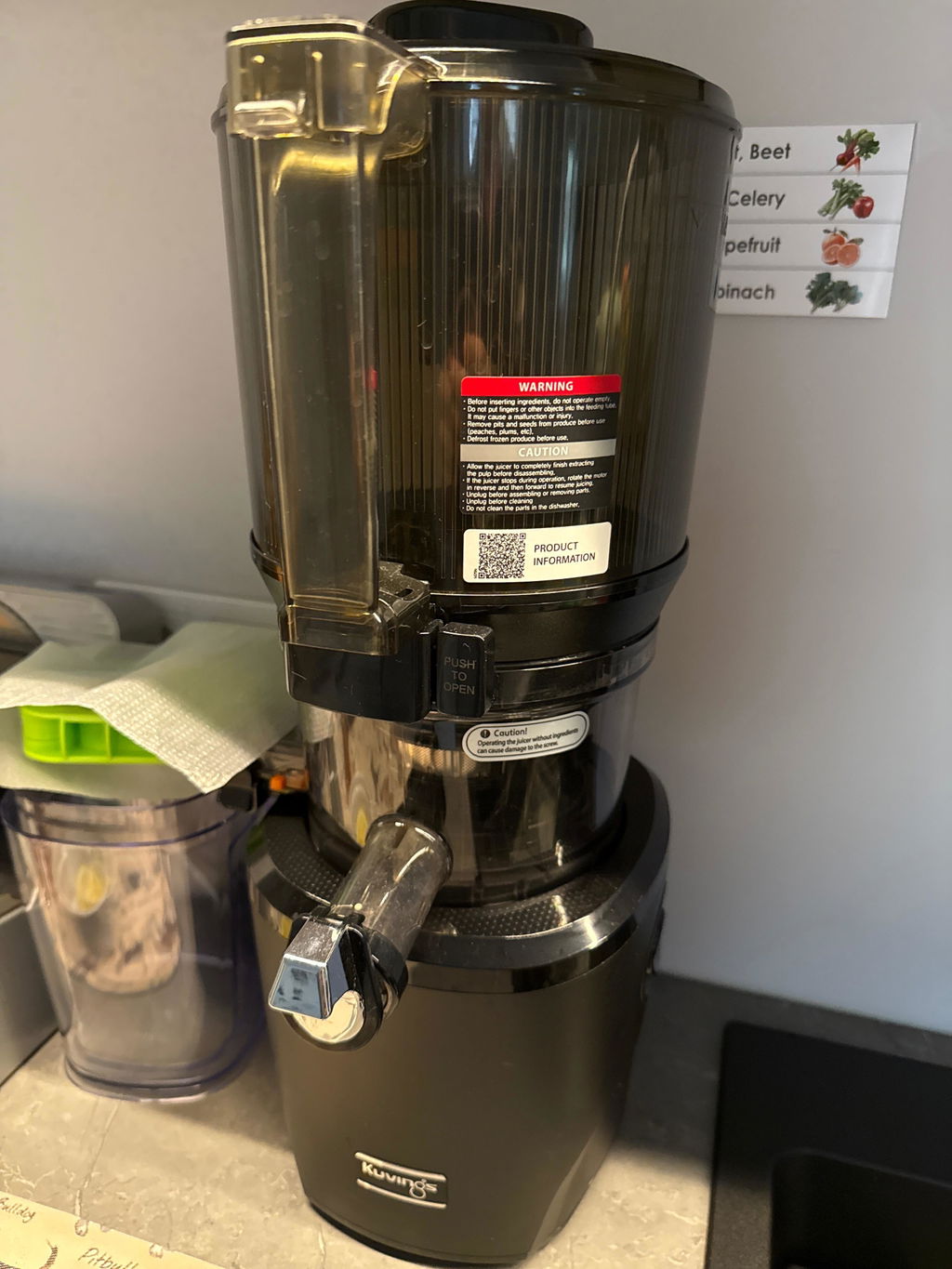
Above all, the best almond milk is homemade almond milk made by you. All Kuvings juicers can easily make almond milk.
Directions:
- Place almonds in a bowl. Cover with water. Soak in the refrigerator overnight or for at least 8 hours.
- Drain the almonds.
- Close the intelligent lock of the juicer.
- Add a small amount of almonds to the slow juicer. Then add the same amount of water. Continue alternating between almonds and 1 cup of water, adding small, equal portions at a time. Work slowly to give the juicer enough time to process the nuts. Open the smart valve to release the almond milk. If desired, strain the milk for a thinner texture.
- Tip: You can add vanilla extract, a pinch of salt, cocoa powder, honey, or maple syrup to flavor your almond milk.
- Required product: Kuvings Whole Slow Juicer, assembled with the juicing sieve.
No additives
You know exactly what you're putting into your body when you drink homemade plant-based milk. No artificial colors, preservatives, sugar, or corn syrup are added – unlike store-bought products.
Bonus: The leftover oats form the basis for a delicious, high-fiber cookie or snack that you can enjoy with your milk. Oat pomace recipes
Did you know?
Almond shells are rich in antioxidants and vitamin E , making them beneficial for our skin and potentially helping us manage some skin problems. They also act as protective agents against cardiovascular disease and cancer. Animal studies have shown that polyphenols prevent cholesterol oxidation.