Vegetables are absolutely essential for a healthy diet. They can reduce the risk of chronic diseases, lower blood pressure, improve digestion, and much more.
The recommended daily amount is 2-3 cups, but a 2017 CDC study found that 90% of American adults do not eat enough vegetables.
With the amount of processed food options available, it can be difficult to get enough vegetables into your diet, especially if you don't like them.
To help you lead a healthier lifestyle, we've compiled 14 ways to eat more vegetables (without having salad at every meal). Incorporating just one of these tips into your daily routine can help increase your vegetable intake and make you healthier and happier.
1. Keep within sight

Out of sight, out of mind. If you banish your vegetables to the crisper drawer, you'll probably forget they're there. Instead, give your vegetables prime spot in the refrigerator. The next time you open the fridge door looking for a snack, you'll be greeted by fresh produce.
2. Prepare immediately
When you get home from the grocery store or market, wash, peel, and cut your snackable vegetables before putting them away. This is especially useful for carrots, lettuce, sugar snap peas, and celery. Separate them into small bags or reusable containers so they're easy to pull out and snack on.

3. Juicing

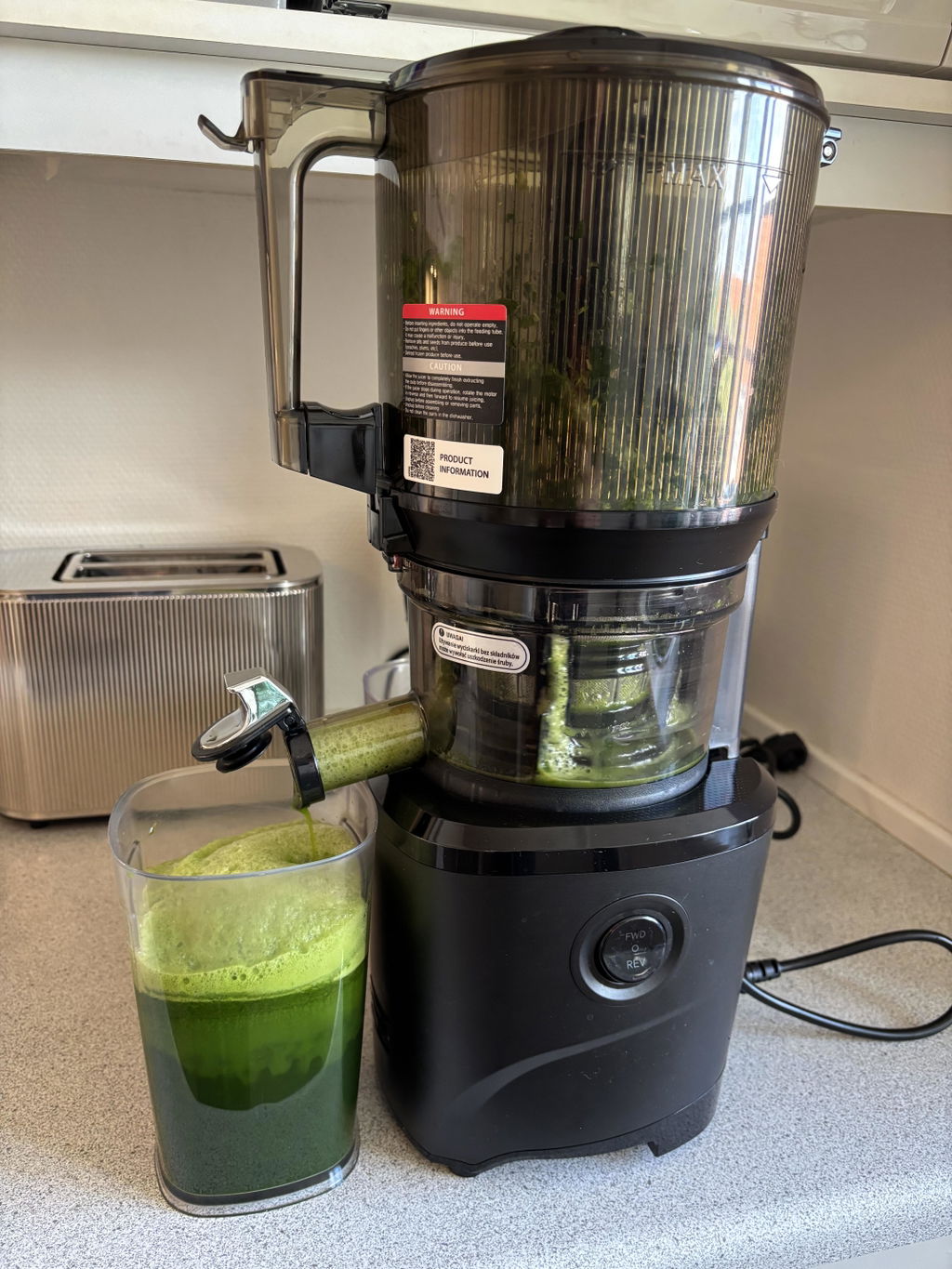
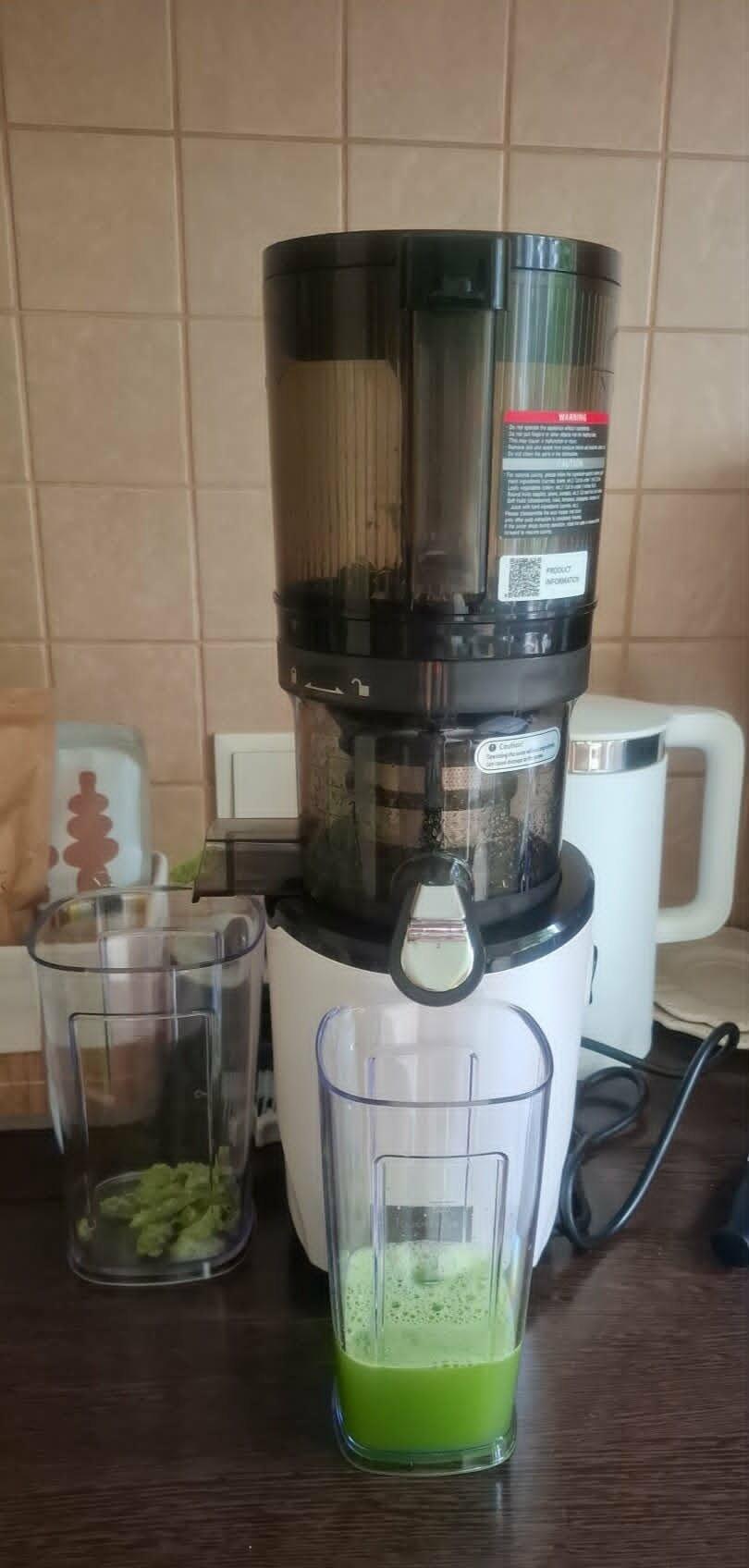
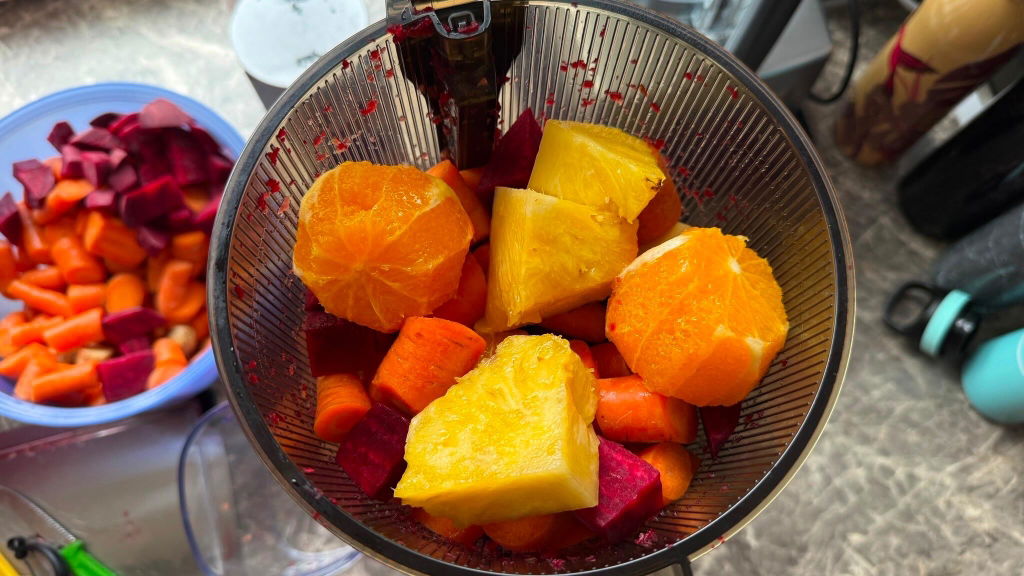
Juicing is an easy way to consume a mixture of raw vegetables. Your body will be able to quickly absorb the soluble fiber and nutrients from the vegetables without filling your stomach with insoluble fiber. Both types of fiber are important for a healthy diet, so be sure to follow the other tips in this article as well.
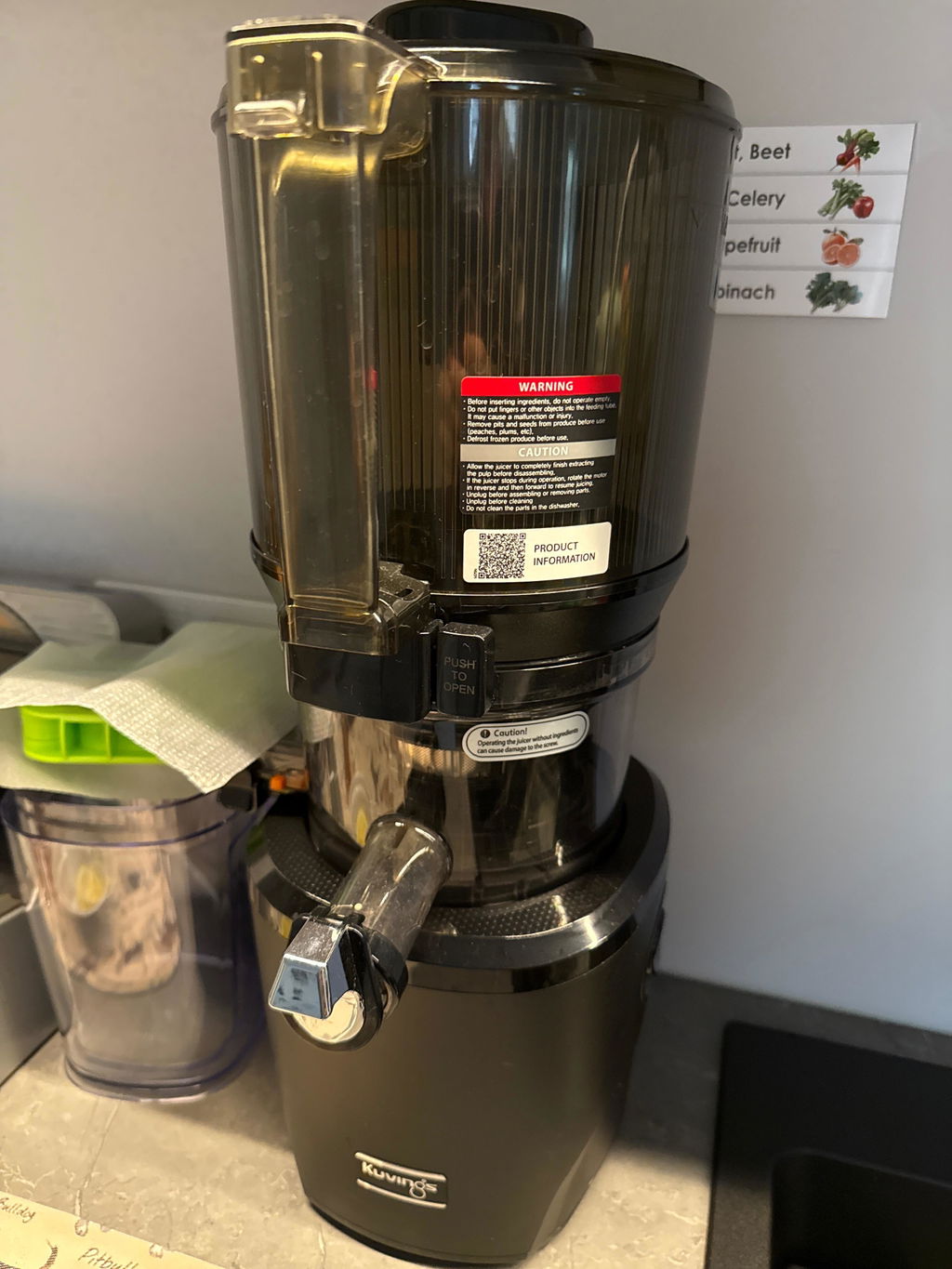
You will get the highest quality juice with a Whole Slow Juicer , which gently crushes ingredients to keep their valuable nutrients and enzymes intact.
If you're new to juicing vegetables, you can add an apple or other fruit to sweeten the juice. Over time, you'll find it easier to reduce the amount of fruit. Soon you'll be craving the taste of pure vegetable juice!
4. Spice up breakfast

@2zwei_jahre
A green juice or smoothie for breakfast gives you a dose of vegetables before you're fully awake. If you prefer eggs in the morning, add some sliced peppers, mushrooms, or spinach to your omelet.
5. Make soup
In addition to juice and smoothies, soup is another slurpable way to enjoy vegetables. Transform pureed vegetables like pumpkin, sweet potatoes, and squash into a creamy soup, or add chopped vegetables to canned soup or broth.
6. Roast instead of boil
If vegetables aren't your thing to begin with, an overcooked head of broccoli will simply end up cold on your plate.
Roasting vegetables brings out their flavor and makes them wonderfully crispy. Lightly brush chopped broccoli, cauliflower, Brussels sprouts, carrots, or asparagus with olive oil and season with salt, pepper, and herbs of your choice (optional). Roast in the oven at 220°C for about 20-30 minutes.
7. Dress them up
Let vegetables be the vehicle for a great salad dressing. If you don't like the stuff from a bottle, most salad dressings are easy to make with ingredients you already have at home.
For a quick lemon vinaigrette, whisk together 1/4 cup lemon juice, 1/3 cup olive oil, one minced garlic clove, 1 teaspoon Dijon mustard, and a pinch of salt and pepper. Pour over a green salad for a tangy side dish.
8. Create vegetable noodles

Spiralize zucchini, carrots, or sweet potatoes to make vegetable noodles. These noodles don't necessarily need to be cooked, so this is a great way to consume raw vegetables.
Another vegetable pasta alternative lives up to its name: spaghetti squash. It is surprisingly easy to prepare and has a neutral taste.
9. Make it saucy
You need something to go with your vegetable pasta! Adding vegetables to tomato sauce is one of the easiest (and sneakiest) ways to include more vegetables in your meals.
Try adding chopped celery, bell peppers, zucchini, or mushrooms to a homemade tomato sauce. Or simply sauté them in a little olive oil before stirring in sauce from a jar. You can also make a flavorful pesto from kale or spinach.
10. Use frozen vegetables
This is a perfect option for winter months or when fresh vegetables aren't available. Frozen vegetables are picked at their peak ripeness and frozen, making them just as nutritious as fresh ones. You can thaw and prepare them just as you would fresh vegetables. Juice, roast, grill, blend—you name it!
You can even make healthy ice cream with frozen fruit.
11. Eat with dips
An irresistible dip can even make vegetable haters reach for a carrot stick. Dip fresh vegetables in homemade guacamole, hummus, or ranch dip.
12. Try salad wraps

Swap a roll, pitta, or tortilla for a large lettuce leaf. Lettuce wraps offer a satisfying crunch and a refreshing twist to sandwiches and tacos.
13. Snack on vegetable chips

@larigeibfood
Who doesn't love chips? Bake or air fry thinly sliced carrots, parsnips, sweet potatoes, and beets for a salty snack. For an even healthier crunch, roast kale in the oven or air fryer to make kale chips.
14. Add to desserts

@gosiazaparatem
You read that right: you can eat vegetables for dessert (and enjoy them too). Incorporate grated vegetables (or juice pulp) into muffins, breads, and other baked goods, like these decadent beetroot brownies .
There are many more ways to enjoy vegetables, but these 14 are a great place to start. With a little creativity and practice, you can train your taste buds to crave vegetables. Your body will thank you!