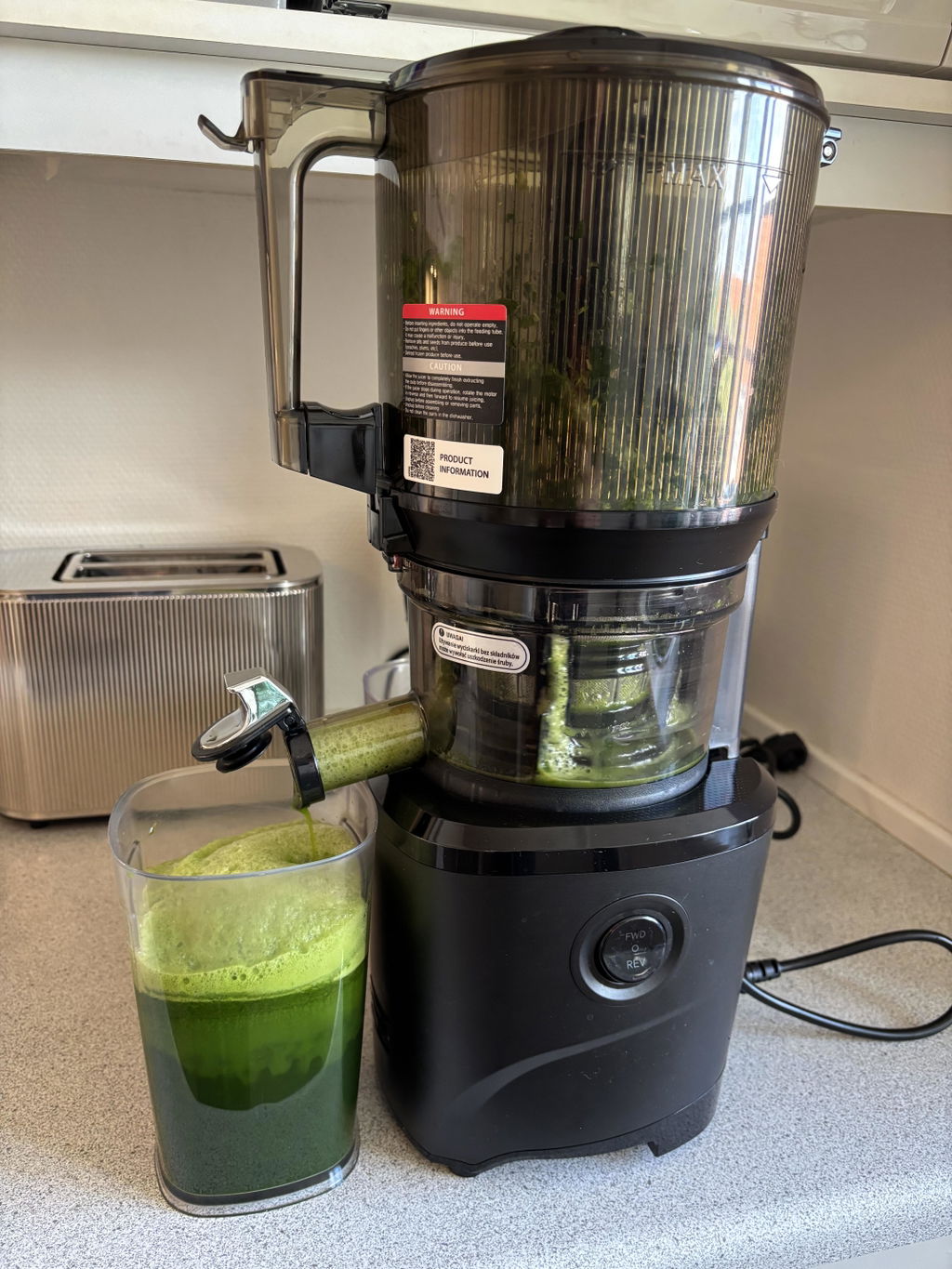
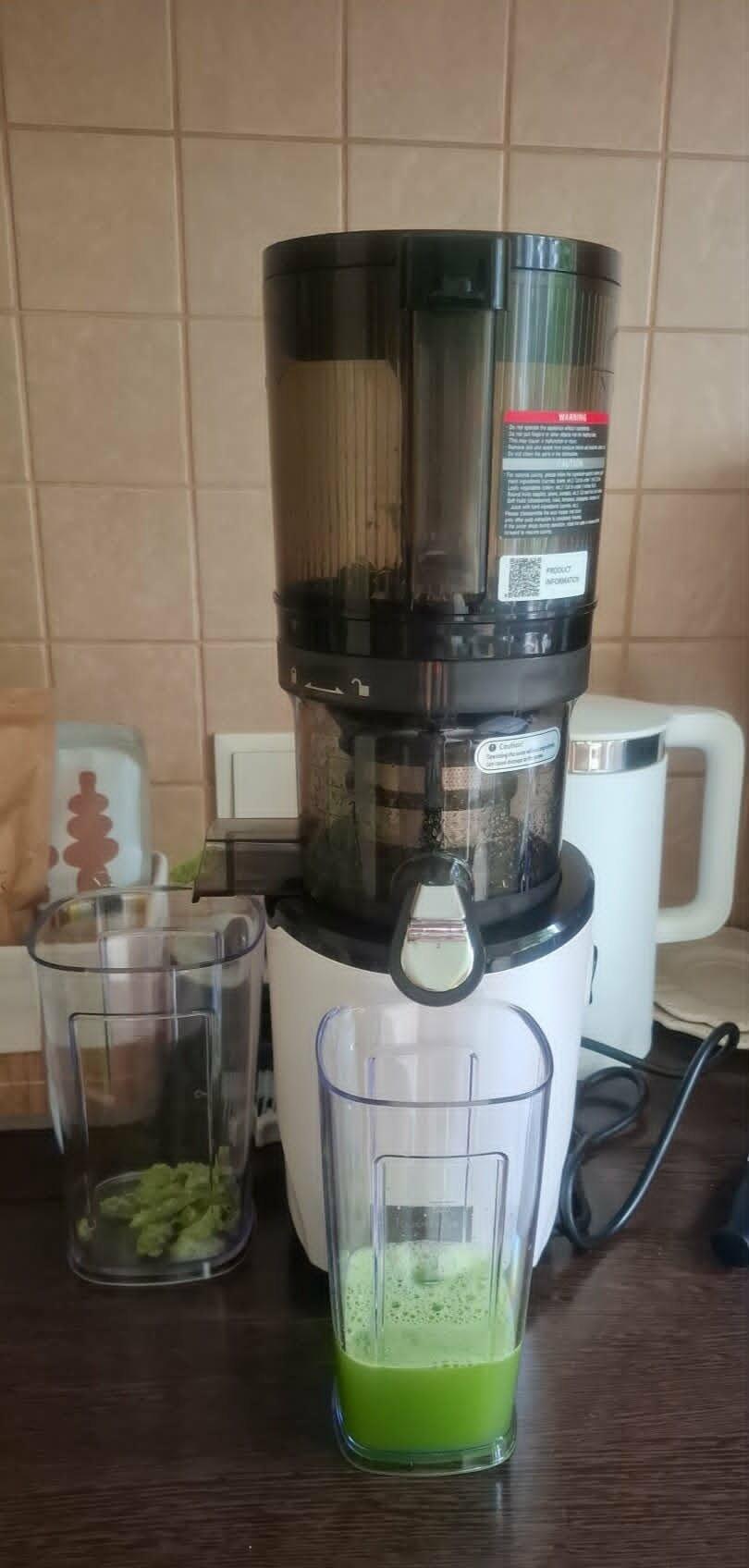
The coconut and lime flavor in this juice recipe is one of my favorites. It's also great cold and keeps for 3-4 days in the refrigerator.
Limes may be small, but don't let their size fool you—they pack a punch. They are incredibly hydrating and electrolyte-replenishing due to their mineral salts. Limes help flush out toxins in the morning, and when added to water, they reawaken the water's healing properties.

Happy juicing!
The taste
The tropical coconut flavor with tangy lime simply works.
Ingredients
- 1 lime
- 1 cup of white grapes
- 1 piece of ginger (5cm)
- 500ml coconut water
Juicing time: 3 minutes
Juice quantity: 750ml
Serves: 3

Preparation
lime
- Thinly slice off the outer peel.
- Juice the whole thing
grapes
- Remove the hard, woody stems (smaller stems that are attached to the grapes can go through the juicer).
- Juice grapes by the handful, including the skins.
Ginger
- Wash and dry
- Cut into thin pieces the size of your thumbnail, leaving the peel on.

Cold-press juicing method
This juice is super easy to make.
Begin with the juicer lid closed. Place all the ginger pieces into the opening.
Next, add the lime. I find that slices or halves release more flavor and juice. You can add the whole lime at once.
Next, add the grapes; again, you can add them all at once. Let the juicer press everything before releasing the juice by opening the smart lid.
Finally, I close the lid again and pour the coconut water into the juicer to rinse out more of the flavors, then I open the lid to mix the water with the juice.
Tip: Limes should feel firm and heavy for their size, as heavier limes produce the most juice. Choose limes with thin rinds and avoid those with thicker rinds, which indicate less pulp and juice. Fully ripe limes have lost their acidity and taste bland compared to bright green, tart limes.
AUTO10S Layering: Grapes, lime, ginger
Health benefits

lime
When you think of limes, think of cleansing your lymphatic system. They may be small, but don't let their size fool you – they pack a punch. They are ultra-hydrating and electrolyte-replenishing due to their mineral salts.
Freshly squeezed lime juice provides bioactive calcium that your body needs, antioxidant flavonoids to fight disease, and it helps flush out many toxic substances such as plastics and synthetic chemicals.
Tip: Fresh lime juice, drizzled onto a small cut or graze, is a powerful disinfectant and antibacterial aid.
Limes are not only a tangy addition to dishes, but also offer a range of health benefits. Here's why limes are good for various systems in our body:
Nutrition: Limes are low in calories but rich in vitamin C, a powerful antioxidant that helps protect cells from damage. They also contain vitamins A, B, and D, as well as minerals such as calcium and magnesium.
Digestive system: The acid in limes can help improve digestion by stimulating the production of digestive enzymes. This can aid in the digestion of food and prevent digestive problems such as indigestion and bloating.
Immune system: Vitamin C is essential for a healthy immune system. Limes are a great source of vitamin C, which can help boost the immune system and reduce the risk of colds, flu, and other illnesses. Limes also contain some of the most absorbable forms of vitamin C.
Detoxification: Limes are often used in detox diets because they can help cleanse the body and promote the elimination of toxins. The citric acid in limes helps stimulate the liver, which is the body's main detoxification organ.
Skin health: The antioxidants in limes, including vitamin C, can help reduce the signs of aging and improve skin health. Lime juice can also be used topically to lighten dark spots and blemishes.
Hydration: Lime water is a refreshing and hydrating drink that can help keep you hydrated throughout the day. Staying hydrated is important for overall health and can help improve energy levels and mood.

grapes
Grapes, with their juicy sweetness and vibrant colors, have been valued for centuries not only for their delicious taste but also for their remarkable health benefits.
The darker variety of grapes is by far the most nutritious, and if you can find them with seeds, all the better, because the seeds will be crushed in the juicer and extract even more nutrients.
Cardiovascular system: Grapes have the ability to prevent blood clots because they can increase nitric oxide levels in the blood, thus offering excellent protection for the heart and cardiovascular system. Grapes can also benefit blood sugar levels by promoting better insulin regulation and an overall balanced blood sugar level.
Nervous system: Grapes are a fruit rich in malic acid, which binds to aluminum, a substance linked to memory loss and dementia. They can be helpful for alcohol addiction. Since this fruit contains the purest form of alcohol, grape juice is an ideal, yet healthy, alternative.
Respiratory system: Grapes are rich in antioxidants, including vitamin C, flavonoids, and resveratrol. These antioxidants help reduce inflammation in the airways and protect the lungs from oxidative damage caused by free radicals. The antioxidants and other compounds in grapes have anti-inflammatory properties that can help reduce inflammation in the airways and improve respiratory function, especially in conditions such as asthma.
Grapes contain polyphenols, which have been shown to have protective effects on the respiratory system. Polyphenols can help reduce the risk of respiratory infections and improve lung function.

Ginger
Ginger is one of the oldest and most popular medicinal spices in the world. It is known to greatly aid digestion and assimilation and is widely regarded as helpful in preventing colds, flu, travel sickness, and dizziness.
Ginger is like everyone's favorite (anti) aunt. Anti-inflammatory, antioxidant, antispasmodic, anti-nausea, antibacterial.
Ginger supports your entire immune system and is therefore ideal for warding off colds during the winter months. The gingerols in ginger cause a rapid and noticeable dilation of blood vessel walls, which in turn helps to improve blood circulation and lower blood pressure.
Ginger also has its own characteristic variant of vitamin C and helps to bring the body out of a reactive state when you are sick.

coconut water
Coconut water is a highly nutritious, cleansing and refreshing juice that is slightly sweet and packed with B-complex vitamins and minerals such as calcium, iron, magnesium, potassium, zinc and manganese.
Coconut water is one of the highest known sources of electrolytes. It is a natural isotonic drink with the same electrolyte balance as our blood.
Coconut water is very beneficial for cardiovascular health, as it can help lower blood pressure and increase healthy blood flow.
It has also been shown to help balance pH levels, strengthen the immune system, and support the kidneys in filtering toxins, thus reducing the risk of kidney stones.

Gary Dowse
Master Juice Chef, Kuvings Australia
Gary is a powerhouse in the world of juicing and plant-based nutrition, driven by an unwavering passion for health and well-being. With certifications in natural juice therapy and whole-food plant nutrition, Gary is a dedicated educator who empowers individuals to experience the transformative benefits of juicing and plant-based eating.
Through his insightful books and dynamic online courses, Gary champions the preventive and restorative healing powers associated with a lifestyle rich in living juices and wholesome, plant-based foods.
His mission is to inspire and guide others on their journey to optimal health and vitality.
Disclaimer: The information contained in this article is for educational purposes only and is compiled from various books and websites. If you undertake any of the recommended actions without the supervision of a licensed healthcare professional, you do so at your own risk. The author, Gary Dowse, does not offer medical advice or prescribe the use of any technique as a form of treatment for physical, emotional, or medical problems without the advice of a physician, either directly or indirectly.